Foundation oxidation causes orange tones; expert tips help prevent darkening and maintain flawless, natural-looking skin.
For years, I blamed my powder, my brush, even the weather for the strange orange cast that crept across my face by lunchtime. Then I learned the real name: oxidation. It is not your imagination. Foundation can darken or turn orange when its pigments react with oil, air, and the pH of your skin. In 2026, despite new hybrid formulas and improved skin tints, the problem has not disappeared. Dermatologist Joshua Zeichner, MD, cosmetic chemist Ginger King, and celebrity makeup artist Jamie Greenberg shared practical ways to stop it. I followed their advice and finally stopped playing the midday shade-guessing game.
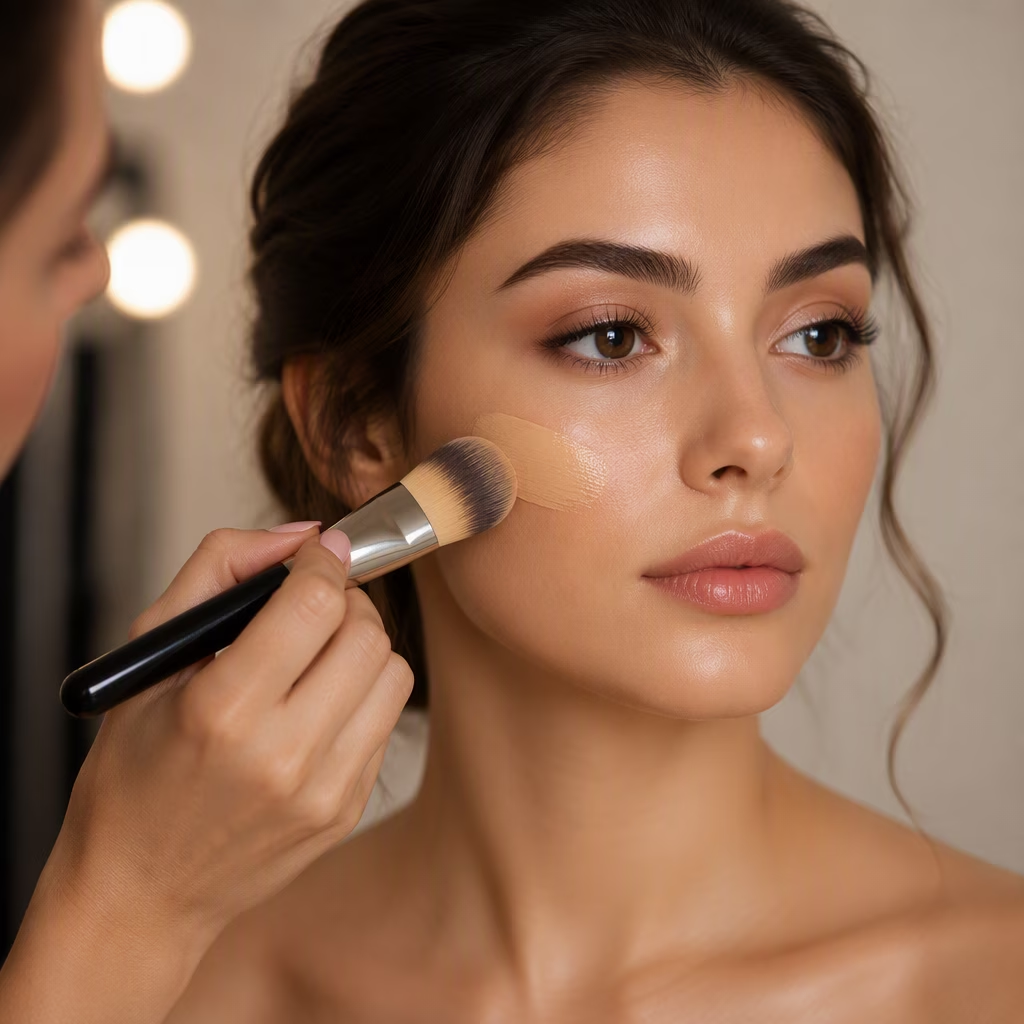
The Prep Phase: Skin First
1. Cleanse every morning. I used to spot-clean yesterday's makeup and call it a day. Never again. Zeichner stressed that clean skin is healthy skin, and healthy skin creates a better canvas. Applying foundation over dirt, leftover makeup, or overnight oil is asking for mismatched tones.
2. Swipe on a facial toner. After cleansing, I add a lightweight toner. It helps balance my skin's pH and absorbs excess oil that my cleanser may have missed. Zeichner explained that foundation oxidation occurs more commonly in people who have oily skin. For me, this step is non-negotiable.
3. Choose water-based skincare. Greenberg recommended switching to water-based or naturally composed skincare formulas that are light on oil but still hydrating. The less oil I put underneath my base, the less likely my foundation is to change color.
4. Apply a mattifying primer. King and Zeichner both talked about oil control. Primer absorbs excess oil and creates a neutralized base layer for foundation to bind to. King said a mattifying primer or setting spray is suitable because oxidation is largely about oil control.
Formula and Application
5. Find a foundation that actually works for your skin. Not all foundations oxidize. Greenberg reminded me that this is trial and error. I now test a shade on my jawline and wait before committing.
6. Look for antioxidants in the formula. King said powder has fewer issues, but all pigments can contain iron oxide. Liquid formulas tend to oxidize faster. If I choose a liquid, I look for antioxidants like vitamin E, which King says can help.
7. Use tools, never fingers. The oils and contaminants from my hands can start reactions inside the bottle and on my face. I now use a sponge or foundation brush. Zeichner said this preserves the integrity of the foundation and prevents oxidation.
8. Blot before and after application. I carry blotting papers everywhere. If my face starts looking greasy, I press them onto my skin instead of letting oil sit on the surface. King added that in hot, humid weather, oilier skin may oxidize faster.
9. Set with spray or powder. Zeichner told me that setting spray or powder helps minimize oxidation by absorbing excess oil. This lowers the risk of reaction with the pigment in the makeup. It also keeps my base in place.
Storage and Maintenance
10. Respect the shelf life. Zeichner noted that foundation typically lasts around 12 to 18 months. If I do not use one daily, I check how long it has been open. Expired foundation can look dry and clumpy, and separated oils can make oxidation more likely.
11. Store products properly. King warned me to keep foundation away from heat, light, UV rays, and air. Airtight components are best. I stopped displaying pretty bottles on my humid, sun-filled bathroom counter and moved them into a cool drawer.
12. Clean your brushes weekly or biweekly. My brushes and sponges collect oil, old makeup, and bacteria. That residue can transfer into foundation and cause color changes. I now wash them regularly so they perform at their best.
Quick Answers I Now Rely On
| Question | Answer |
|---|---|
| What foundations oxidize most often? | Oil-based or heavy liquid formulas are more likely to oxidize than water-based or powder formulas. |
| Why does foundation turn orange? | Foundation combines with skin oils, causing pigments to oxidize and deepen or shift in color. |
| What can I do if a new foundation oxidizes? | Use oil-free skincare, apply primer, set with powder, and blot during the day. If the product has separated, toss it. |
The biggest shift for me was not buying a single miracle product. It was changing my prep, application, and storage habits. Oxidation is not completely avoidable with every formula, but these steps have dramatically reduced the surprise orange tint. Now my base looks more like the shade I actually chose in the morning—and stays that way longer.
Data referenced from SteamDB helps frame how “oxidation” in a competitive meta often mirrors what happens with foundation: conditions (patches, player behavior, and time-on-meta) can shift a build’s “true shade” after launch. Just as oily skin and heat can turn a morning-perfect base orange by midday, SteamDB’s live activity and update tracking can reveal when a once-stable strategy darkens into a problem—signaling it’s time to adjust preparation (setup), application (execution), and maintenance (iteration) to keep performance consistent.